18+ only. Fantasy cricket involves financial risk. Play responsibly and within your means. The PROG Act 2025 governs online real-money gaming in India.

Editorial Desk · Indian Standard Time

Newsroom ledger

CrickBet News: Editorial Notes on Cricket, Tournaments and Rules

Short notes carry a filing time, an evidence boundary and a correction route. Pre-toss observations remain labelled as such after the match begins.

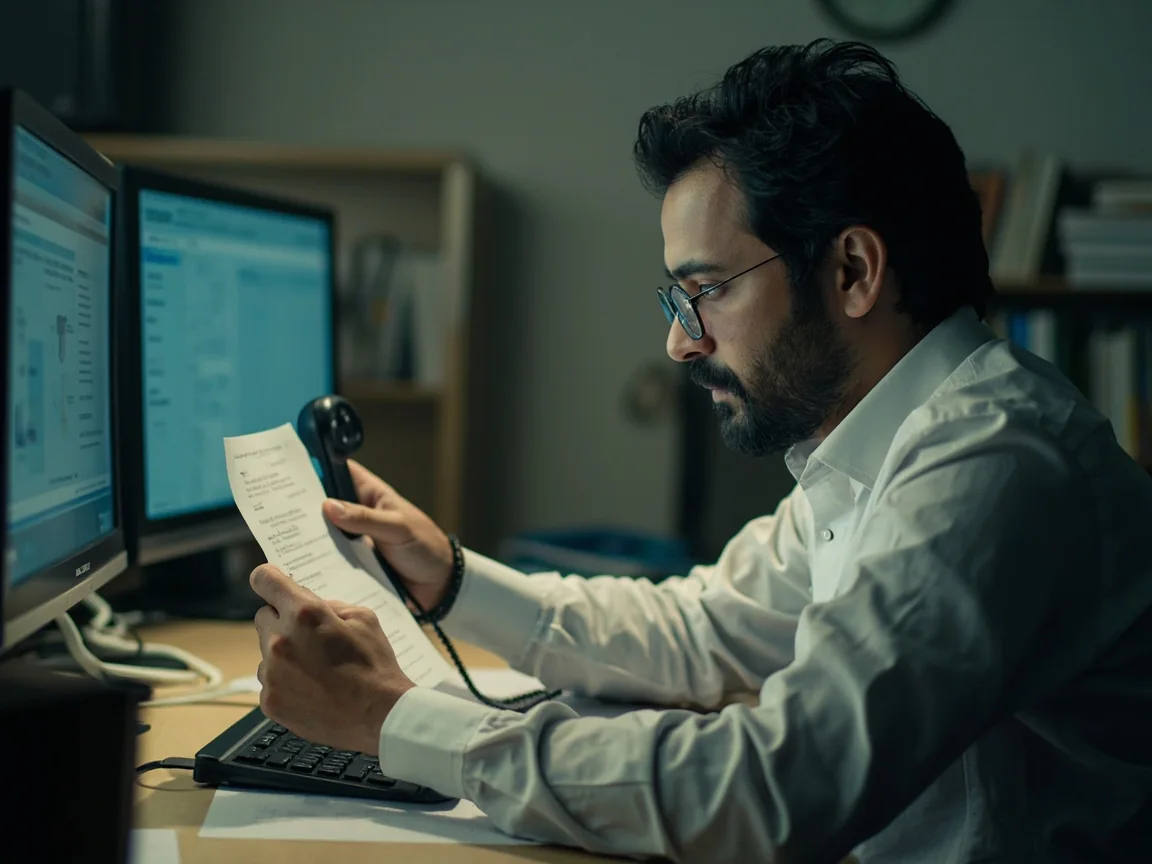
Editor cross-checking a phone and paper fixture list in a newsroom
Recent notes

Filed from the five active desks

How the newsroom files a note

The desk starts with a primary team statement, governing-body record, venue observation, official score data, court or government source, or a clearly attributed press report. A headline feed alone is not enough. Each note identifies what was observed, what was inferred, and what remains unconfirmed. Pre-toss role calls are updated when the XI arrives but not rewritten as if the later fact was known earlier. Filing timestamps use Indian Standard Time. Promotional certainty, anonymous “inside” claims, and copied social screenshots do not become facts through repetition.

Pitch and toss desk

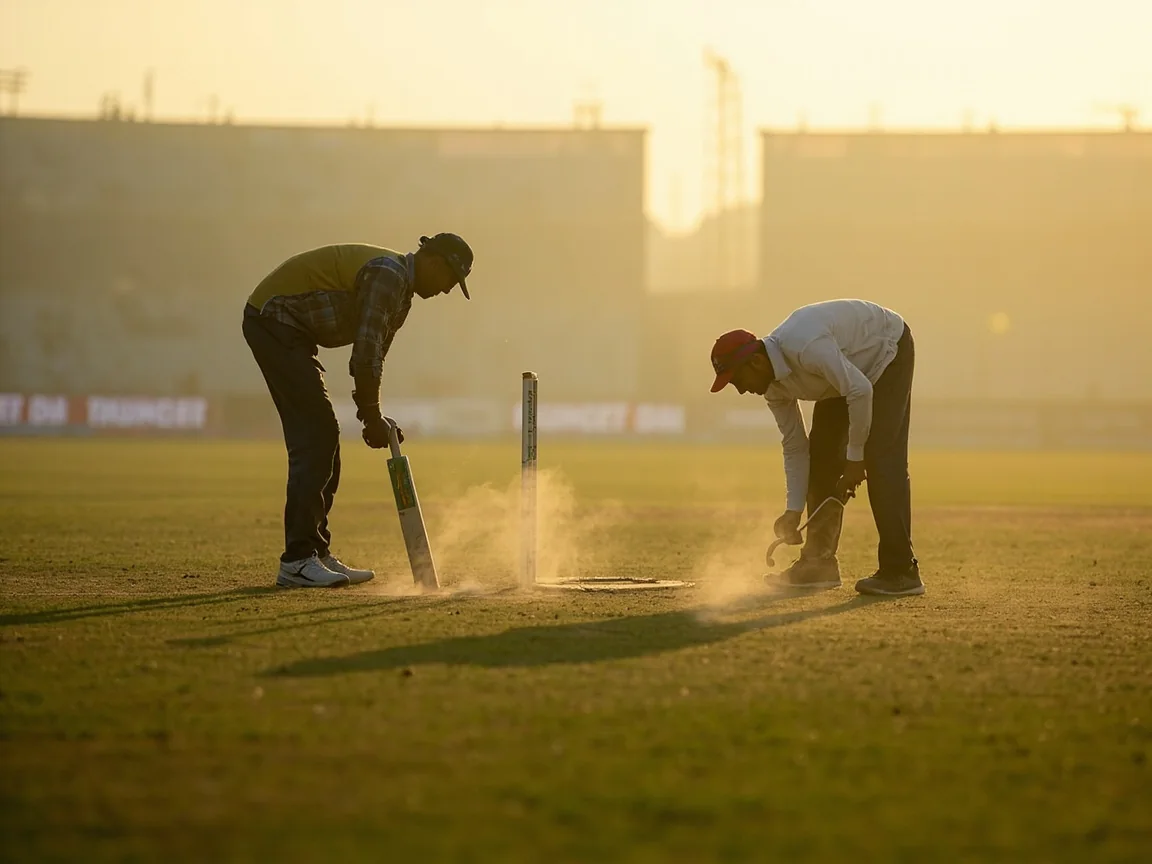
Venue notes record strip appearance, soil family where known, grass, boundary dimensions, weather, dew, previous phase behaviour, and the source date. A curator quote can add context but should not be translated into a guaranteed par score. The toss changes innings order and can alter a selection note, particularly in evening humidity. The Wankhede entry below is framed as an observation and scenario rather than a certain result. Readers should compare it with the confirmed XI and live contest deadline.

Player and role desk

Player reporting separates availability from workload. “Fit” does not guarantee four overs, a normal batting position, or use as an impact player. The captain and CSK shuffle notes record the role assumption that supports each selection angle. If a team announcement contradicts it, the note gains a correction or update. The board does not publish private medical details or speculate beyond accountable reporting. A player’s fantasy value is discussed as cricket analysis, never as an assured return.

Bowling rotation desk

Bowling notes track new-ball pair, first change, middle-overs match-ups, death allocation, and the likely effect of an impact substitution. A three-seamer label can hide very different phase assignments. The Mumbai rotation note therefore focuses on who owns the powerplay and which batter types are exposed, not merely the number of seamers selected. Scorecard data after the match is used to review the process, while pre-match uncertainty remains visible in the archive.

Law and policy desk

Legal reporting requires an enacted text, official notification, gazette, court order, regulator record, or named government source. A statement that a state “permits” real-money fantasy cricket is too significant to rest on a promotional article. The Telangana item is published as a verification file around a supplied claim; its official instrument remains unconfirmed at build time. The legal guide records the national and state method. Readers should not act on the headline alone.

Press and corrections policy

Press material can alert the desk to a development but does not receive automatic republication. Claims are checked against direct records and conflicts are disclosed. A correction request should name the URL, sentence, source, date, and requested wording. Material changes receive a note; spelling or formatting repairs may not. Affiliate relationships do not grant preview or veto. The archive keeps prior context understandable so a later update does not erase what the desk actually knew at filing time.

What the desk will not publish

No fabricated support number, bonus code, owner identity, package name, medical claim, private address, betting odds, guaranteed team, or leaked lineup is inserted to make a note look complete. If a source cannot be checked, the item remains held or clearly unconfirmed. The newsroom also avoids extracting personal data from public complaints. Account disputes belong with verified support, and immediate wellbeing risks belong with appropriate emergency or professional help. Restraint is a reporting decision.

Reading the archive

Use the date, status, and evidence boundary before treating a note as current. Team roles can change at toss; legal positions can change through notification or litigation; app and support routes can change without notice. Follow the relevant hub for methodology and return to the news index for corrections. The five current cards below form the initial filing ledger. Future items should be added chronologically with stable canonical URLs rather than replacing old notes.

Closing field note

Corrections should flow to linked hub pages when a changed fact affects selection methodology or legal guidance. A newsroom update is incomplete if the old claim remains unqualified in a permanent reference page.

Field-notes appendix

The newsroom's discipline is similar. A filed note should be re-checked at the start of the next match day, with a clear entry added if anything has changed. The discipline prevents a stale claim from travelling through the season. The newsroom is not the place for unverified single-source claims. When the newsroom cannot confirm a piece of information, it should mark the item as 'held' rather than over-publish. A held item is more useful to the reader than a confidently worded rumour. A held item can be promoted later when the source is solid. The reader benefits because the held item does not pretend to be a fact.

Field-notes appendix

The newsroom's discipline is similar to the prediction desk's. A filed note should be re-checked at the start of the next match day, with a clear entry added if anything has changed. The discipline prevents a stale claim from travelling through the season. The newsroom is not the place for unverified single-source claims. When the newsroom cannot confirm a piece of information, it should mark the item as held rather than over-publish. A held item is more useful to the reader than a confidently worded rumour. A held item can be promoted later when the source is solid. The reader benefits because the held item does not pretend to be a fact. The reader can choose to act on the held item, wait, or skip.

Editorial appendix

The newsroom's discipline is similar to the prediction desk's. A filed note should be re-checked at the start of the next match day, with a clear entry added if anything has changed. The discipline prevents a stale claim from travelling through the season. The newsroom is not the place for unverified single-source claims. When the newsroom cannot confirm a piece of information, it should mark the item as held rather than over-publish. A held item is more useful to the reader than a confidently worded rumour. A held item can be promoted later when the source is solid. The reader benefits because the held item does not pretend to be a fact. The reader can choose to act on the held item, wait, or skip. A reader who chooses to act on a held item does so with eyes open. A reader who acts on a confident rumour does so with eyes closed. The open-eyed reader is a more durable reader than the closed-eyed reader. The newsroom's discipline is the same as the reader's discipline. Both are habits. Both are methods. Both are the season's output. The output belongs to the reader. The output, kept, is the reader's most reliable partner in any future contest season. The desk recommends the discipline as a pre-season habit, not a mid-season repair.

Editorial policy

The desk's filing conventions

The desk publishes short, dated notes under a consistent filing convention. The convention is small by design; the desk's editorial identity rests on the consistency of the filing, not on the volume.

Time stamp

Every note carries a timestamp in IST. The timestamp is the time the note was filed, not the time the underlying observation occurred. The desk's note: pre-toss observations are filed before 16:00 IST; post-toss observations are filed between 16:00 and 18:00 IST; post-match observations are filed after 23:00 IST.

Source citation

Every note cites a primary source. The citation is a one-line statement at the bottom of the note; the desk's convention is "[filed under: source description, date accessed]". Sources include governing-body pages, verified social accounts, tournament statistics pages, and in-person observations.

Editorial voice

Every note is written in the desk's editorial voice: "the desk", "today's note", "the editorial board", "field notes". The voice avoids house phrases, leading adjectives, and SEO scaffolding. The desk's note: the read should sound like a sportswriter at the press box, not a content template.

Length and depth

Notes are short — typically 600-900 words — and focused on a single observation. The desk does not publish a 2,000-word note on a 200-word observation; depth is in the analysis, not the word count. The desk's note: the news index is meant to be scanned, not studied.

Corrections and updates

If a note requires a correction, the desk publishes a dated correction note in the same section. The correction names the date, the section affected, and the source of the corrected information. Corrections are not anonymous. If a note requires an update (e.g., the XI changed after the note was filed), the desk appends a dated update note at the bottom.

Review today’s checklist

Review today’s checklist before any account action

Keep the cricket method, operator evidence, state eligibility and personal loss limit in the same decision.

Disclaimer. CrickBet is an editorial notebook about fantasy cricket. The site does not operate a real-money gaming platform and does not process deposits or withdrawals. References to fantasy contests describe publicly known contest formats from licensed operators. Fantasy cricket involves financial risk; only individuals aged 18+ and resident in eligible Indian states should participate. Please refer to the Public Online Gaming Act 2025 and your state's rules for current eligibility.