18+ only. Fantasy cricket involves financial risk. Play responsibly and within your means. The PROG Act 2025 governs online real-money gaming in India.
CrickBet IPL 2026 Season Desk: Tournament Hub
The season desk runs from an editorial placeholder window of 22 March to 24 May 2026. Official fixtures and squads must replace placeholders when published.
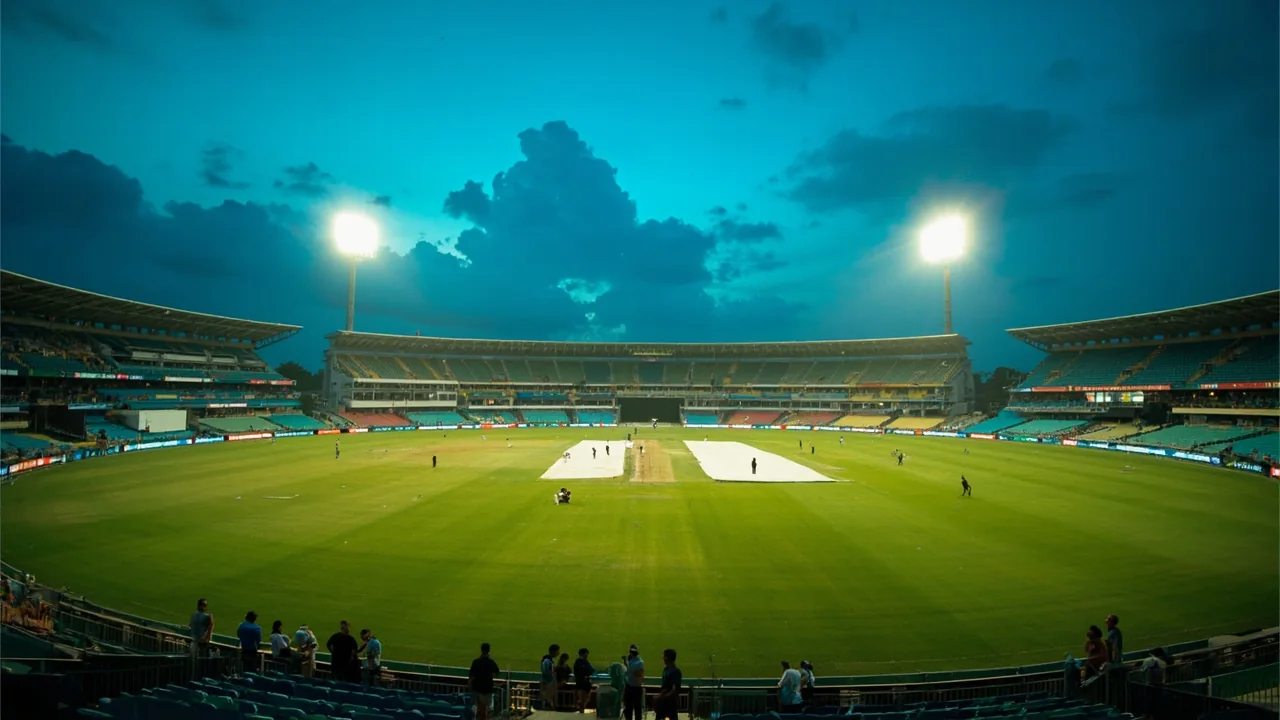
Five team files awaiting official confirmation
| Team | Role file | Venue question | Status |
|---|---|---|---|
| MI | New ball and death rotation | Wankhede dew | Pre-toss placeholder |
| CSK | Middle order and spin | Chepauk surface pace | Pre-toss placeholder |
| KKR | Opening and spin match-ups | Eden strip | Pre-toss placeholder |
| DC | Keeper and death roles | Delhi boundary shape | Pre-toss placeholder |
| RCB | Top order and powerplay | Bengaluru dimensions | Pre-toss placeholder |
Related desk files
captain desk · predictions desk · points reference · newsroom
Season window and verification status
The working calendar uses 22 March through 24 May 2026 as placeholder dates supplied for this build. They are not represented as an official IPL schedule. Confirm the Board of Control for Cricket in India and IPL fixture release, venue allocations, match times, playoff format, and any revised dates before planning a lineup. Election, weather, venue, broadcast, or operational changes can move fixtures. Each daily note should carry the official match number, date, start time in IST, venue, and source once verified.
Tournament format
The exact 2026 league structure, group allocation, number of matches, playoff qualification rules, and impact-player regulations should be checked against the official competition rules. The desk can prepare for a league phase followed by playoffs only as a familiar framework, not a confirmed fact. Net run rate, points, abandoned matches, and tie procedures affect team incentives late in the season. Fantasy role projections change when qualification pressure alters rotation or workload. Do not copy a previous season’s format into a new fixture without verification.
Team files
Mumbai Indians, Chennai Super Kings, Kolkata Knight Riders, Delhi Capitals, and Royal Challengers Bengaluru appear in the working table below, alongside the other IPL franchises in the wider competition. Pre-toss role notes remain placeholders until squads, injuries, and XIs are confirmed. A team file tracks likely openers, wicketkeeper role, spin hitter, bowling all-rounder, new-ball pair, middle-overs wickets, death allocation, and impact options. Player names should be sourced from the official registered squad and current availability report.
Venue notebook
Wankhede can bring new-ball movement and evening dew; Chepauk often requires close attention to surface pace and spin; Eden Gardens combines boundary geometry with changing strips; Chinnaswamy makes boundary size and bowling phase vital; Arun Jaitley can differ sharply by prepared surface. These are starting questions, not permanent labels. Each venue note records recent same-format matches, pitch number where available, weather, outfield, square boundaries, straight boundary, and toss outcomes without treating correlation as inevitability.
Role guides through an innings
Powerplay openers need balls and boundary access. Anchors need enough innings length to reach milestones without strike-rate penalties. Middle-order hitters depend on entry over and match state. All-rounders need credible workload in both skills. New-ball seamers seek early swing and top-order wickets; spinners need match-ups and surface grip; death bowlers trade economy risk for wicket opportunity. Keep these roles separate from player reputation. After toss, adjust for chase, impact substitution and announced tactical changes.
Daily preview pattern
The morning file checks weather, venue history, squad news and expected roles. The afternoon file narrows the XI scenarios and scoring implications. The pre-toss note names captain candidates, vice-captain alternatives, and one evidence-backed differential without certainty language. At toss, the desk confirms teams, decision, impact options and invalidated assumptions. After the match, it compares forecast roles with actual use and logs corrections. That pattern creates an archive that can be audited rather than a stream of disappearing tips.
Fixture placeholders
Use the opening week from 22 March as a planning marker only. A middle phase can be mapped through April for venue and travel notes, and the working endpoint of 24 May can hold a provisional final window. Do not publish specific pairings, match numbers, or venues until the official release is checked. Placeholder cards should be visibly labelled and never sent as ticketing or travel advice. Once confirmed, keep old dates in a change log if they move so readers understand which preview version applied.
Selection links across the season
The points-system page determines how roles convert to totals. Predictions records venue, weather, form and XI assumptions. Captain Picks handles multipliers and correlation. News carries team and law updates. Use all four before a contest decision, then return to responsible-play limits. The IPL hub organises those desks; it does not promise outcomes. A long season rewards disciplined records more than daily urgency, and no single match should expand an entertainment budget.
Closing field note
Workload tracking should include travel, back-to-back fixtures, heat, recent injury return, and international commitments, but no private medical inference. Official team availability and visible role use carry the evidence.
Questions in the desk ledger
Are 22 March to 24 May official dates?
No. They are editorial placeholders pending the official fixture release.
Are table roles confirmed?
No. Every row is marked pre-toss and requires squad and XI confirmation.
When does a daily preview become final?
Only after the toss and confirmed elevens, subject to the contest deadline.
Does venue history predict the match?
No. It frames questions that the current strip and weather must answer.
Where are scoring assumptions checked?
Against the live contest rules and the points-system reference.
Field-notes appendix
The season desk's discipline is a routine. Start the morning with the weather file, the venue file, the squad file, the league table, the fantasy contest rules, the responsible-play controls, and the personal budget. End the morning with a short pre-toss note naming the captaincy, the vice-captaincy, the differential, and the team shape. End the night with a post-match note recording the actual XI, the actual role, the actual score, and the actual lessons. Repeat through the season. The system is unglamorous, and that is the point. A season of unglamorous routines produces a notebook that the reader can use, a wallet the reader can defend, and a calendar the reader can show to a trusted person.
Field-notes appendix
The season desk's discipline is a routine. Start the morning with the weather file, the venue file, the squad file, the league table, the fantasy contest rules, the responsible-play controls, and the personal budget. End the morning with a short pre-toss note naming the captaincy, the vice-captaincy, the differential, and the team shape. End the night with a post-match note recording the actual XI, the actual role, the actual score, and the actual lessons. Repeat through the season. The system is unglamorous, and that is the point. A season of unglamorous routines produces a notebook that the reader can use, a wallet the reader can defend, and a calendar the reader can show to a trusted person. The routine is the deliverable.
Editorial appendix
The season desk's discipline is a routine. Start the morning with the weather file, the venue file, the squad file, the league table, the fantasy contest rules, the responsible-play controls, and the personal budget. End the morning with a short pre-toss note naming the captaincy, the vice-captaincy, the differential, and the team shape. End the night with a post-match note recording the actual XI, the actual role, the actual score, and the actual lessons. Repeat through the season. The system is unglamorous, and that is the point. A season of unglamorous routines produces a notebook that the reader can use, a wallet the reader can defend, and a calendar the reader can show to a trusted person. The routine is the deliverable. The deliverable is more useful than the highlight reel. The highlight reel is a one-day event. The deliverable is a season's worth of work. The work is also the discipline. The discipline is the season. The season is the year. The year is the manual. The manual is the reader. A reader with a manual is a reader with a method. A method, applied to a season, is a season's worth of method. The method is the desk's contribution. The reader's contribution is the personal record. The personal record, kept, is the reader's most reliable partner in any future contest season. The desk recommends the routine as a pre-season habit, not a mid-season repair. The repair is too late. The pre-season habit is also a mid-season habit, an end-of-season habit, and an off-season habit. The habit is the season.
The daily-preview cadence
The daily preview is the desk's most-read format during the IPL season. The cadence is consistent across the season: morning pitch read, confirmed-XI read, toss-adjusted lock, post-match review. The desk walks each beat.
Morning pitch read (06:30 IST)
The morning pitch read is filed before 06:30 IST on match day. The read covers: surface report, weather forecast, dew likelihood, historical venue averages, and the captain frame for the day. The morning read sets the desk's position before any team-news cycle has run.
Confirmed-XI read (15 minutes before toss)
The confirmed-XI read is filed when both teams publish their playing XIs, typically 30-60 minutes before the scheduled toss. The read compares the confirmed XI to the desk's expected XI and notes any surprises: late injury replacements, impact-player decisions, batting-order shifts.
Toss-adjusted lock (5 minutes before contest deadline)
The contest deadline is typically 2-15 minutes before the scheduled toss. The desk files a final note at the deadline with the toss result and any last-minute adjustments to the captain frame, vice-captain frame, or differential slot. The desk's note: most operators do not allow post-toss substitutions in real-money contests; the toss-adjusted lock is the final read.
Post-match review (after 23:00 IST)
The post-match review is filed after the match settles. The review compares the desk's captain frame to the actual top-scoring player and notes where the desk's read was right or wrong. The review is honest about misses; the desk treats a calibrated miss as more useful than a confident hit.
Weekly summary (Sunday evening)
The weekly summary is filed on Sunday evening and covers the week's reads in aggregate: which captain frames held up, which differentials paid off, where the public's read diverged from the desk's. The weekly summary is the desk's mid-cycle calibration note.
Disclaimer. CrickBet is an editorial notebook about fantasy cricket. The site does not operate a real-money gaming platform and does not process deposits or withdrawals. References to fantasy contests describe publicly known contest formats from licensed operators. Fantasy cricket involves financial risk; only individuals aged 18+ and resident in eligible Indian states should participate. Please refer to the Public Online Gaming Act 2025 and your state's rules for current eligibility.